The landscape of health care has increasingly moved towards home-based services, offering convenience and comfort to patients. However, navigating these services can be challenging. In this article, we outline key aspects to consider when looking into home health care. The shift to home health care reflects a demand for personalized and accessible treatment options, contrasting the traditional hospital-centric model.
As a growing sector, it’s vital to understand its features and challenges to make informed decisions.
How Do You Choose the Right Home Health Care Provider?
Choosing the right provider is crucial to receiving effective care. Factors to consider include the provider’s expertise, accreditation, and patient reviews. Researching these elements can enhance confidence in receiving quality care. For instance, accredited agencies meet specific performance standards, ensuring reliability and competence. Likewise, comprehensive patient reviews offer insights into the provider’s service quality and patient satisfaction.
Another consideration is the range of services offered by the provider. Diverse services that cater to specific health needs can enhance the care experience. Discussing specific health needs and preferences with potential providers is crucial. This dialogue can reveal the provider’s flexibility and capability in addressing unique health issues. Clear communication sets the foundation for a more tailored health care approach, aligning expectations between the patient and the provider.
Moreover, compatibility between the health care team and the patient is vital. Building a trusting relationship is essential in home health care settings. This compatibility includes understanding cultural nuances and personal preferences, which can affect care delivery and patient comfort. Engaging with multiple providers before making a decision allows for a better match in terms of expertise and interpersonal chemistry. Evaluating these interpersonal aspects can significantly impact the quality of home health care.
What Are the Costs Associated with Home Health Care Services?
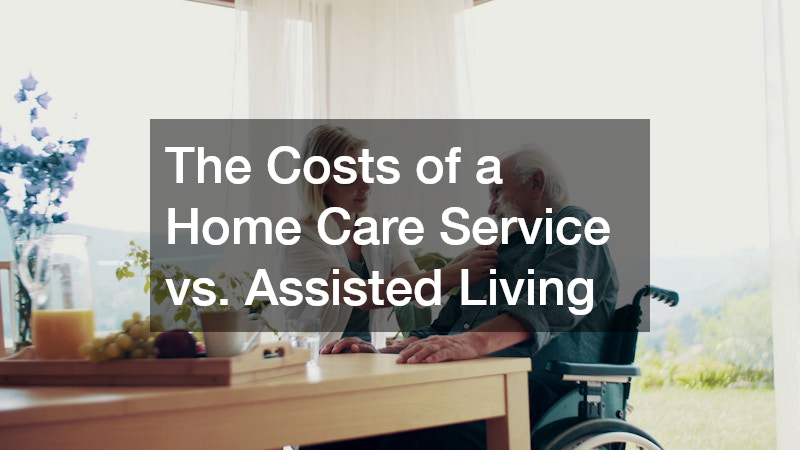
Understanding the financial aspect of home health care is essential. Home health care costs can vary significantly, influenced by the type of care and geographical location. Typically, services such as skilled nursing, physical therapy, or aides for daily activities all carry different price tags. Insurance plans may cover a portion of these costs, depending on policy specifics and coverage terms. Therefore, scrutinizing insurance details and directly communicating with providers about service fees can provide a clearer financial picture.
For some, financial aid options may ease the burden of these costs. Programs like Medicare and Medicaid offer some support under specific conditions, particularly for senior citizens and low-income individuals. Eligibility for these programs varies, thus exploring all available resources is advisable. Consulting with financial advisors or social workers can reveal underutilized programs or benefits. This approach ensures that patients do not inadvertently overlook potential financial support avenues.
Additionally, some home health care services offer flexible payment plans or sliding scale fees based on income. Engaging with providers to inquire about such options can provide relief from financial constraints. Providing high standards of care while keeping services affordable is a collaborative effort between patients and providers. Understanding these financial aspects ensures you can plan effectively without compromising the quality of care. This financial foresight maintains the home health care experience as a sustainable and viable option addressing comfort and health needs.
What Safety Measures Should Be Implemented for Home Health Care?
Ensuring safety is paramount in home health care. It starts with verifying the credentials of healthcare professionals who enter the home. A meticulous check of qualifications and background ensures that competent and trustworthy individuals provide the care. Continual training and adherence to medical protocols safeguard the standard of care rendered in home environments. Additionally, clear communication dictates safety measures that need to be implemented for each patient, tailored to their specific health conditions and living environment.
Another critical safety aspect is maintaining a secure and adaptable home environment. Assessments by healthcare professionals can identify potential hazards such as slippery floors, inadequate lighting, or the need for assistive devices. Implementing recommended adjustments can minimize the risks of accidents and enhance the living conditions for patients. Moreover, emergency plans should be established, detailing actions and resources in case of urgent health situations. Engaging family members in these plans fortifies the immediate response capacity, catering to both safety and emotional reassurance.
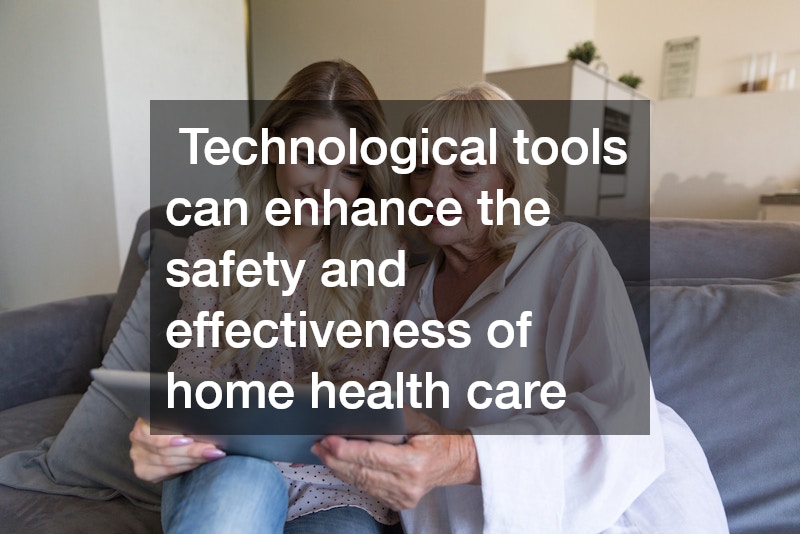
Furthermore, technological tools can enhance the safety and effectiveness of home health care. Devices like medical alert systems and smart home integrations can offer real-time health monitoring and quick communication channels with healthcare providers. Utilizing these technologies ensures an added layer of security and timely interventions if health issues arise. Providers and patients need to collaborate on selecting appropriate tools that suit individual health care setups. Exploring available technologies can elevate the safety standards and comfort levels in home health care, promoting peace of mind for patients and their families.
Home health care can provide substantial benefits, but it requires careful consideration and planning. By understanding how to choose a provider, manage costs, and ensure safety, individuals can make informed decisions for themselves or their loved ones. This ensures a comprehensive and effective health care experience at home. The personalized and flexible nature of home health care supports patient autonomy and comfort, aligning with holistic well-being goals. Ultimately, a thoughtfully selected home health care service can profoundly impact the quality of life and health outcomes, making the effort to research and plan incredibly worthwhile.